

The Pantheon
Gods Among Axols
Section titled “Gods Among Axols”Among the Axolkin there are few Axols that have risen to god-like power and serve as patron deities for the modern age. They are great, old ones - the most powerful Axols in existence - predating the three nations themselves.
The Axol deities are whimsical, and some even enjoy meddling in the affairs of men and other Axols. Others are reclusive and forgotten to the layman. They have personal rivalries, grudges, and like picking favorites. Sometimes they may even disguise themselves as mortal Axols to blend in.
Known Gods
Section titled “Known Gods”Ecclesia - Fortune and Wealth
Section titled “Ecclesia - Fortune and Wealth”
The most active of the known gods. Ecclesia appears directly in the mortal world with startling regularity - bestowing coins on the fortunate, presenting gift boxes to the curious, delivering ancient artifacts to the worthy, and warning those who meddle with things better left alone.
Of all the gods, Ecclesia seems the most interested in mortal affairs. Whether this is generosity, boredom, or something more calculated is a matter of lively theological debate.
Antheia - Fertility
Section titled “Antheia - Fertility”
A gentler presence. Antheia’s blessings manifest in growth - crops that ripen overnight, fields that flourish out of season. Farmers and growers across the world offer prayers to Antheia, and sometimes - just sometimes - those prayers are answered.
Aesta - Summer and Fair Weather
Section titled “Aesta - Summer and Fair Weather”
Little is known about Aesta’s direct involvement in mortal affairs. She seems to come and go as she pleases. What is known: when Aesta is pleased, the skies clear and the days grow warm. Festivals held in Aesta’s name tend to go well.
Skadi - Winter and Stasis
Section titled “Skadi - Winter and Stasis”
Where Aesta brings warmth, Skadi brings stillness. Frost, silence, preservation. Mysterious and reclusive in nature, Skadi’s domain isn’t just cold - it’s the pause between moments, the held breath before a decision. Not cruel, but not comforting either.
Tefnut - Storms
Section titled “Tefnut - Storms”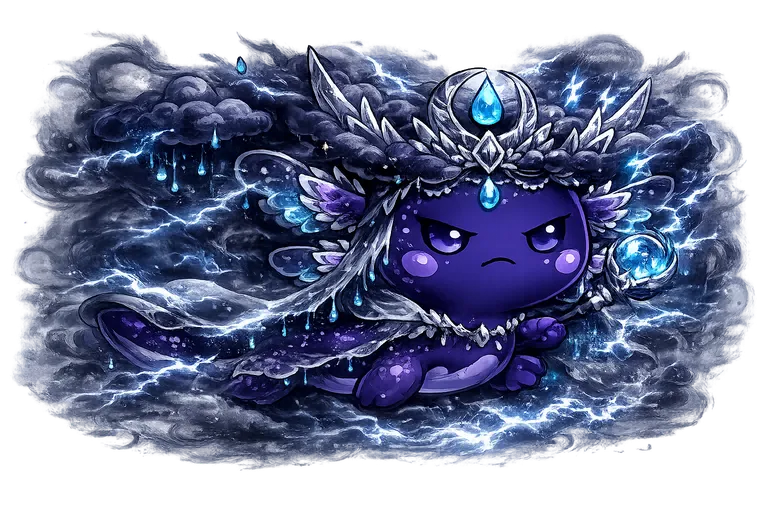
Raw elemental power. Tefnut’s moods are felt in the weather across entire regions. When Tefnut stirs, the skies darken and the seas rise. Thalassian sailors know the signs well.
Others
Section titled “Others”These five are not the only gods. Scholars, priests, and poets across the three nations speak of others - patrons of time, of craft, of war, of the moon and sun. Some may be real. Some may be stories. The gods reveal themselves on their own terms, and they are in no hurry.
There are whispers of a supreme figure - a creator who may have orchestrated the Phase itself. But no confirmed sighting, no direct intervention, no name that everyone agrees on. If such a being exists, it keeps its own counsel.